
BESTCARE BUILD · AUCKLAND OUTDOOR LIVING
Fencing Cost Per Metre Auckland 2026
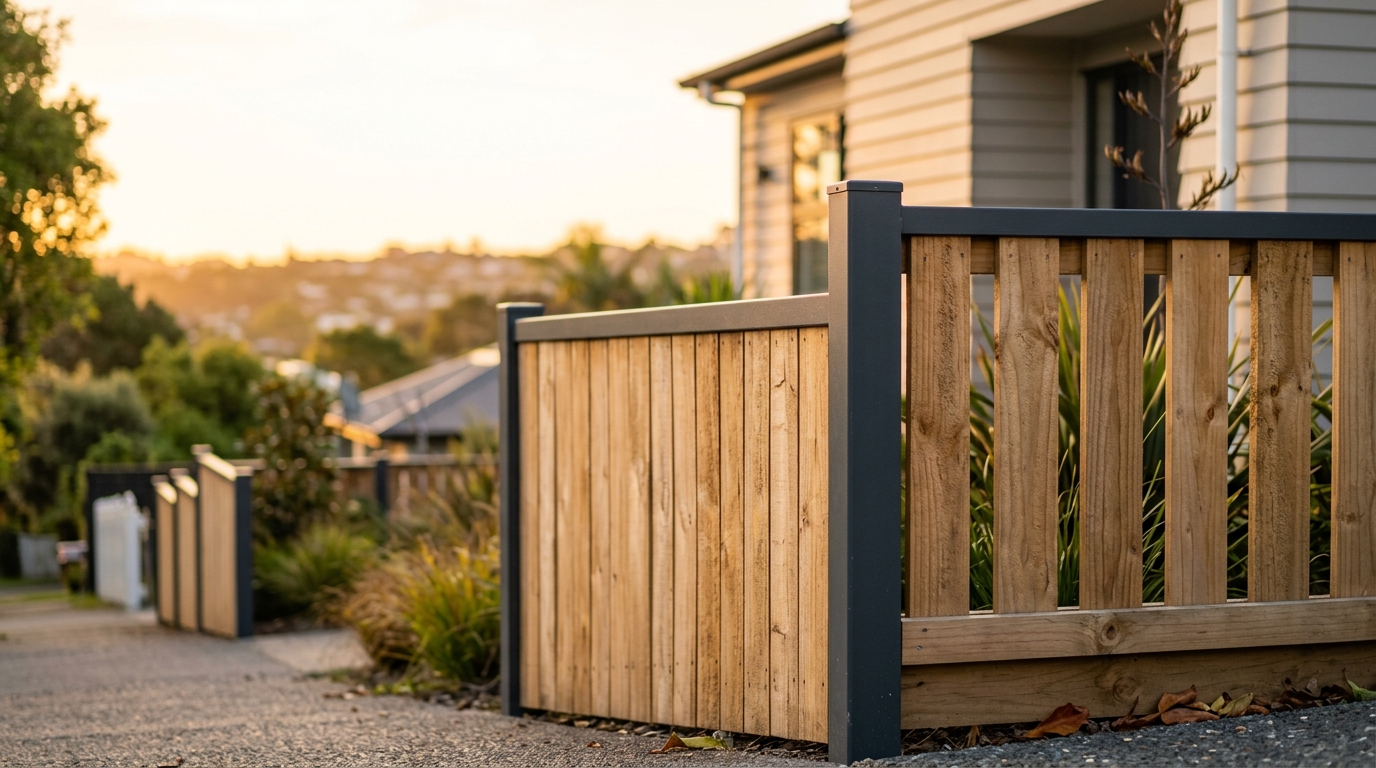
When you're planning a fence for your Auckland property, understanding the cost per metre helps you budget accurately and compare options. Most professionally installed residential fencing in Auckland runs between $150 and $450 per linear metre, though the final price depends on the material you choose, your site conditions and the complexity of the installation. A straightforward 20-metre fence typically costs $3,600 to $10,000 installed, making the fencing cost per metre a crucial figure to understand before you commit to a project.
Auckland's established suburbs—from Remuera and Epsom to Takapuna and Herne Bay—each have their own character, and your fence needs to suit both your property's style and your practical requirements. Whether you're after privacy, security, boundary definition or a combination of all three, knowing what drives the price helps you make informed decisions.
What You'll Pay: Fencing Costs by Type
The material you choose has the biggest impact on your fencing cost per metre. Each option brings different characteristics, lifespans and maintenance requirements.
Timber paling fences remain Auckland's most popular choice for residential boundaries. A standard 1.8-metre high timber paling fence costs $150 to $280 per metre installed. These vertical-board fences offer solid privacy and suit most architectural styles. Treated pine palings handle Auckland's weather reasonably well, though they require restaining every two to three years to maintain their appearance. Timber paling works particularly well for traditional villas and bungalows in suburbs like Ponsonby and Parnell.
Colorsteel and corrugated iron fencing costs $180 to $350 per metre, with some installations reaching $200 to $350 depending on finish and profile. These metal fences deliver excellent durability with minimal maintenance—they won't rot, warp or need painting. Colorsteel suits contemporary homes and properties where low maintenance is a priority. The material handles coastal conditions better than timber, making it practical for suburbs closer to the harbour like Mission Bay, St Heliers and Devonport.
Horizontal cedar slat fencing represents the premium end of timber options at $280 to $450 per metre. This contemporary style creates clean, architectural lines that suit modern builds and renovated homes. Cedar's natural oils provide better weather resistance than pine. You'll see this style frequently in Herne Bay and Remuera, where it complements high-end architecture.
Chain-link and wire fencing costs just $80 to $150 per metre, making it the most economical option. While it doesn't provide privacy, it's ideal for boundary definition, pet containment or securing larger sections where budget is the primary concern.
For homeowners planning broader outdoor improvements, understanding fencing and retaining walls as complementary elements helps create cohesive outdoor spaces. If you're considering a deck alongside your fence, our deck area calculator helps you estimate materials and costs for the complete project.
Factors That Drive Your Final Price
Beyond the material itself, several factors affect your final fencing cost per metre.
Ground conditions significantly impact installation costs. Auckland's volcanic soil can be relatively easy to dig in some areas but challenging in others, particularly where you encounter rock or clay. Sloping sites require stepped fencing or additional groundwork. Properties with poor drainage may need concrete footings rather than standard post holes, adding $20 to $40 per post. If your section slopes steeply—common in suburbs like Mount Albert and parts of Epsom—expect the upper end of quoted rates.
Access to your property affects how efficiently contractors can work. Narrow side paths, rear sections without vehicle access, or properties where materials must be carried through the house all increase labour time. Good access keeps costs down; difficult access can add 15 to 25 percent to the base fencing cost per metre.
Post spacing and fence height change material quantities and structural requirements. Standard residential fencing uses posts every 1.8 to 2.4 metres, but exposed sites or taller fences may need closer spacing. Auckland's coastal wind exposure—particularly in suburbs like Takapuna and Devonport—sometimes requires additional bracing, increasing costs.
Site preparation and removal add to the project cost. If you're replacing an existing fence, removal and disposal typically cost $15 to $30 per metre. Clearing vegetation, removing tree roots or levelling uneven ground all require extra labour. Always clarify what's included when comparing quotes.
Gates and openings cost more per metre than straight fencing runs. A standard pedestrian gate adds $400 to $800 to your project, while a vehicle gate costs $800 to $2,000 or more depending on width. The posts either side of gates need stronger footings, and the hardware represents additional materials beyond the fence itself.
Material Durability and Long-Term Value
The fencing cost per metre you pay upfront represents only part of the total investment. Durability and maintenance requirements determine the true cost of ownership.
Timber fencing typically lasts 15 to 25 years with proper maintenance. Expect to restain or reseal timber fences every two to three years. This maintenance costs $300 to $600 per 20-metre fence when done professionally. Over a 20-year lifespan, maintenance adds $3,000 to $6,000 to your initial investment—a significant consideration when comparing options.
Colorsteel and metal fencing delivers 30 to 40 years or more with minimal maintenance. The factory-applied coating resists UV damage, and the material won't rot or attract insects. Occasional washing keeps it looking good. While the initial fencing cost per metre runs higher than basic timber, the reduced maintenance and longer lifespan often make metal fencing more economical over time.
Cedar and premium timber options sit between standard pine and metal in terms of longevity. Cedar's natural oils provide better weather resistance, potentially extending the time between maintenance cycles to three to four years rather than two to three.
When evaluating long-term value, consider your intended ownership period. If you're planning to stay in your home for 20 years or more, the total cost of ownership matters more than the initial fencing cost per metre. For properties you're preparing for sale, a well-maintained fence adds kerb appeal, but investing in premium materials you won't enjoy long-term may not make financial sense.
The relationship between decking and fencing often matters for overall outdoor aesthetics. Many Auckland homeowners coordinate materials—choosing Colorsteel fencing to complement a composite deck, or matching timber fencing to Kwila decking for a cohesive natural look.
Getting an Accurate Quote for Your Property
Understanding the fencing cost per metre gives you a baseline, but getting accurate quotes for your specific property ensures you budget correctly.
Measure your boundary carefully before requesting quotes. Walk the fence line and note any obstacles—trees, services, level changes or access constraints. Measure the total length and identify where gates will be needed. Most Auckland properties have boundary pegs or marks from previous surveys; locating these ensures your new fence sits on the correct boundary line.
Request itemised quotes from at least three contractors. A detailed quote should break down the fencing cost per metre for materials and labour separately, specify the materials being used, list any site preparation or removal work, include gates and hardware, and state the timeline and payment terms. Be wary of quotes that simply state a total figure without detail.
Ask about warranties and guarantees. Reputable contractors stand behind their work with guarantees covering workmanship for at least 12 months. Material warranties vary—treated timber typically carries a 15-year treatment warranty, while Colorsteel comes with manufacturer warranties of 15 to 30 years.
Check credentials and experience. Licensed building practitioners bring expertise in structural requirements, council regulations and proper installation techniques. Ask to see examples of previous work, particularly projects similar to yours. Contractors familiar with Auckland's conditions—from Mount Albert's volcanic soil to the coastal exposure in Takapuna—deliver better results.
Clarify the scope and exclusions. Confirm whether quotes include removal and disposal of existing fencing, site preparation and levelling, concrete for post footings, gates and hardware, and cleanup and waste removal. Some contractors charge separately for rock drilling if they encounter difficult ground conditions.
The fencing cost per metre you ultimately pay reflects the quality of materials, the complexity of your site and the expertise of your contractor. While it's tempting to simply choose the lowest quote, the cheapest option often cuts corners on materials or lacks the experience to handle unexpected challenges. A fence built properly lasts decades and adds value to your property.
For Auckland homeowners planning comprehensive outdoor improvements, coordinating fencing with other projects often makes practical and financial sense. Installing a fence alongside pergola construction or deck building can reduce mobilisation costs and create a cohesive outdoor living area. Contractors can often offer better rates when handling multiple elements of your outdoor space.
Understanding the fencing cost per metre gives you the foundation to plan your project confidently, compare options fairly and choose materials that suit both your budget and your property's long-term needs.